 Skip to content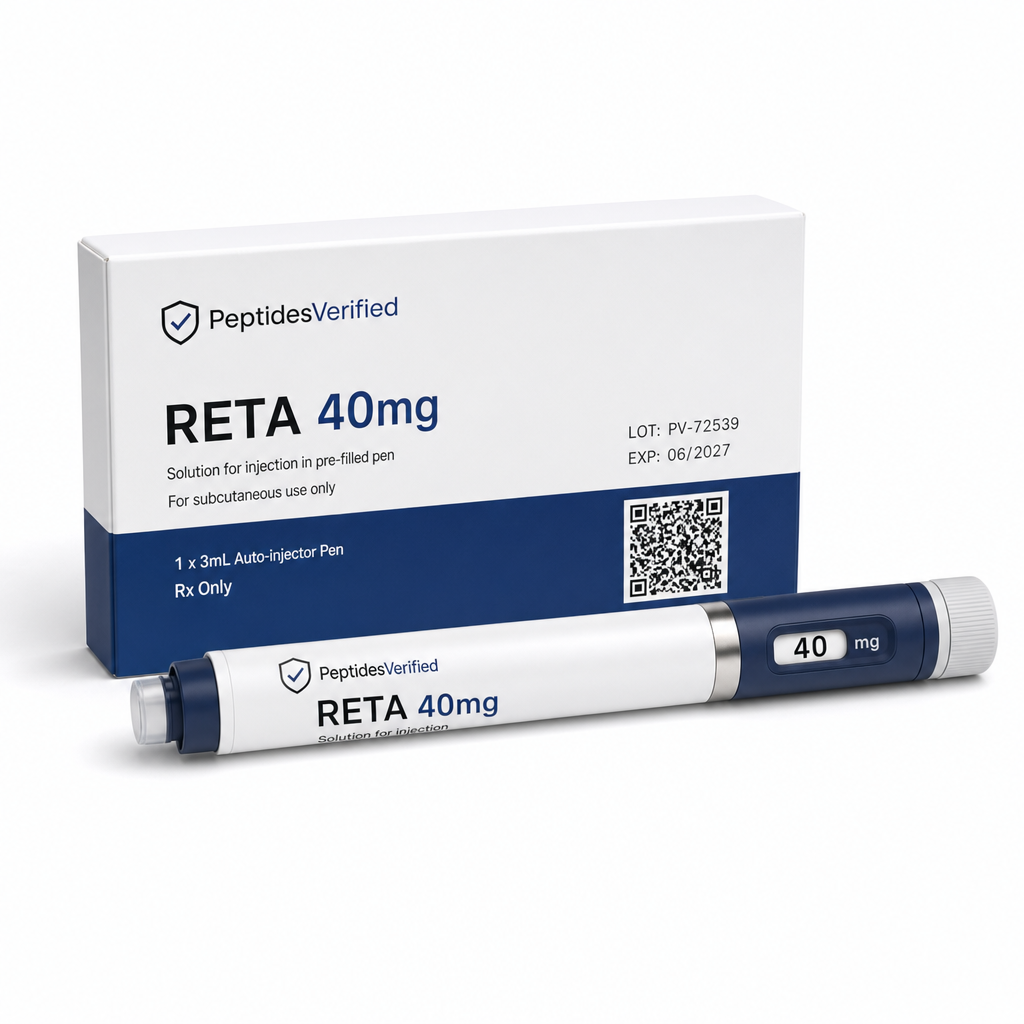
Key takeaways
- Is retatrutide safe? In Eli Lilly’s Phase 3 TRIUMPH trials (reported July 2026), retatrutide was generally well tolerated, with a side-effect profile in line with other incretin drugs — mostly gastrointestinal.
- The most common side effects were nausea, diarrhoea, constipation, vomiting and reduced appetite, and they were dose-dependent.
- Retatrutide is still investigational — it is not approved by the FDA or the UK’s MHRA. Lilly plans to file with the FDA in Q1 2027.
- All published safety data come from pharmaceutical-grade drug given under medical supervision — not from research-grade material used outside a clinic.
If you are asking is retatrutide safe, the honest answer is: the clinical data so far look encouraging, but the story is still being written. Retatrutide is an investigational triple-hormone-receptor agonist developed by Eli Lilly, and in 2026 it produced some of the largest weight-loss figures ever recorded in obesity trials. At the same time, it is not yet an approved medicine anywhere in the world, and its safety profile is defined by tightly controlled clinical studies rather than real-world use. This article reviews what the peer-reviewed and Phase 3 evidence actually says — without hype and without medical advice.
What is retatrutide?
Retatrutide (development code LY3437943) is a once-weekly injectable that activates three receptors at once: the GIP, GLP-1 and glucagon receptors. That “triple agonist” mechanism is what separates it from single-agonist drugs like semaglutide and the dual GIP/GLP-1 agonist tirzepatide. If you want the fuller comparison, we cover it in our guide to retatrutide vs Mounjaro (tirzepatide).
Because it engages the glucagon receptor as well, retatrutide is thought to increase energy expenditure on top of suppressing appetite — the leading theory for why its weight-loss numbers have been so striking in trials.
Is retatrutide safe? What the Phase 3 trials show
The clearest read on whether retatrutide is safe comes from Lilly’s Phase 3 TRIUMPH programme. On 23 July 2026, the company reported topline results from two large trials, TRIUMPH-2 and TRIUMPH-3, both of which met their primary endpoints. The efficacy was substantial and, importantly, the safety signal was consistent with the wider incretin drug class.
| Trial (2026) | Population | Dose | Weight change at 80 weeks |
|---|---|---|---|
| TRIUMPH-2 | 1,152 adults, type 2 diabetes + overweight/obesity | 12 mg | −20.8% (vs −4.0% placebo) |
| TRIUMPH-2 | as above | 9 mg | −19.1% |
| TRIUMPH-3 | 1,949 adults, BMI ≥35 + cardiovascular disease | 12 mg | −22.6% (vs −3.2% placebo) |
| TRIUMPH-3 | as above | 9 mg | −21.6% |
Those are efficacy numbers, but they matter to the safety question too: they were achieved without any new or unexpected safety signal emerging, which is one of the things regulators look for. The types of adverse events seen were the ones already familiar from GLP-1 and GIP/GLP-1 medicines.
Retatrutide side effects
Across the TRIUMPH trials and the earlier Phase 2 work published in the peer-reviewed literature, the adverse events were overwhelmingly gastrointestinal and tended to appear during dose escalation, then ease over time.
| Side effect | Nature / frequency in trials |
|---|---|
| Nausea | Common; most frequent early in treatment, dose-dependent |
| Diarrhoea | Common; in TRIUMPH-3, ~30% at 9 mg and ~24% at 12 mg vs ~9% placebo |
| Constipation | Common |
| Vomiting | Common, dose-related |
| Reduced appetite | Common (and partly the intended mechanism) |
| Treatment discontinuation for side effects | Up to ~13.5% at the 12 mg dose in TRIUMPH-3, vs ~4.8% placebo |
Investigators also monitor heart rate (a small dose-dependent increase has been reported with the class) and, at earlier stages, looked at blood-pressure and glucose effects. So far no signal has stopped the programme — but long-term data are still accumulating, and rare risks can only be characterised after wider, longer use.
Who was studied — and the limits of the data
Every safety figure above comes from adults enrolled in monitored clinical trials, screened for eligibility, dosed with pharmaceutical-grade drug on a slow titration schedule, and followed by clinicians. That context is doing a lot of work. The trials were not designed to tell us how the compound behaves when used outside those conditions, in people who would not have qualified, or at doses that were not tested.
A critical distinction: research-grade vs pharmaceutical-grade
This is the point most “is retatrutide safe” discussions miss. The safety record described above belongs to Lilly’s pharmaceutical product administered in a clinical setting. It does not automatically transfer to research-grade material. Research-use-only (RUO) reference compounds — including those sold on this site — are manufactured and sold for laboratory research, not for human use. Purity, concentration, endotoxin levels and handling all matter, which is exactly why independent analysis matters so much.
If you work with reference compounds in a lab, the single most useful safety habit is verifying identity and purity before anything else. Our guide on how to read a peptide Certificate of Analysis (COA) walks through HPLC purity, mass spec identity and what a legitimate COA should contain. Every reference pen we list ships with third-party HPLC data — see the full range on our Reta Pen UK research page.
Lab-verified retatrutide reference pens
Third-party HPLC-tested, COA on every batch, cold-chain UK dispatch. For laboratory research use only.
So — is retatrutide safe? The bottom line
Based on the evidence available in 2026, retatrutide has shown a manageable, class-typical safety profile in large Phase 3 trials, dominated by gastrointestinal side effects that are usually mild-to-moderate and dose-related. But “safe” is not a finished verdict: the drug is still investigational, long-term and real-world data are limited, and the trial safety record applies to pharmaceutical-grade drug used under medical supervision — a very different situation from unsupervised or research-grade use.
Frequently asked questions
Is retatrutide FDA approved?
No. As of 2026 retatrutide is investigational and not approved by the FDA or the UK MHRA. Eli Lilly reported positive Phase 3 TRIUMPH results in July 2026 and has said it plans to submit a filing to the FDA in the first quarter of 2027.
What are the most common retatrutide side effects?
Gastrointestinal effects — nausea, diarrhoea, constipation, vomiting and reduced appetite — are the most common in trials. They are dose-dependent and tend to be worst during dose escalation.
Is retatrutide safe for weight loss?
In clinical trials of pharmaceutical-grade retatrutide, weight-loss results were large and no unexpected safety signal emerged, but the drug is not yet approved for any use. Whether it is appropriate for a given person is a medical decision for a qualified clinician, not something this article can answer.
How7 does retatrutide’s safety compare to tirzepatide or semaglutide?
The side-effect categories are similar across the incretin class (mostly GI). Retatrutide adds glucagon-receptor activity, which is linked to greater weight loss and is being monitored for effects such as a modest heart-rate increase. See our retatrutide vs Mounjaro comparison for detail.
Is research-grade retatrutide the same as the trial drug?
No. Trial safety data come from Lilly’s pharmaceutical product. Research-use-only reference compounds are made for laboratory work, are not for human use, and their quality should always be verified with a third-party Certificate of Analysis.
In short: when researchers ask is retatrutide safe, the 2026 evidence points to a manageable, class-typical profile in trials — but is retatrutide safe as an approved medicine? Not yet, because it remains investigational. And is retatrutide safe in research-grade form? Only when identity and purity are independently verified.
References
- HCPLive — “Retatrutide Meets Phase 3 Weight Loss Endpoints in 2 Obesity Trials,” 23 July 2026. hcplive.com
- Manufacturing Chemist — “Eli Lilly’s retatrutide hits Phase III goals with FDA filing planned for 2027.” manufacturingchemist.com
- Drugs.com — Retatrutide FDA approval history. drugs.com
- Retatrutide — mechanism, Phase 2 data and pharmacology overview. Wikipedia

Leave a Reply